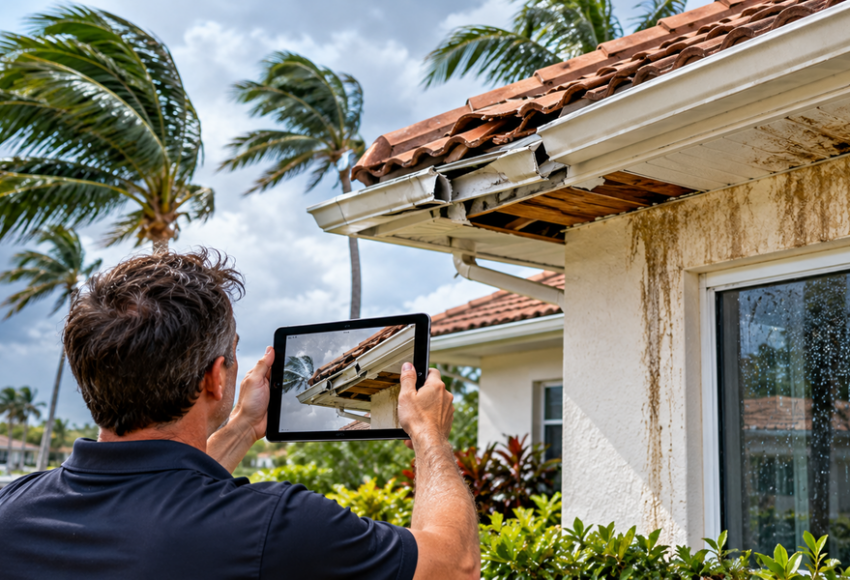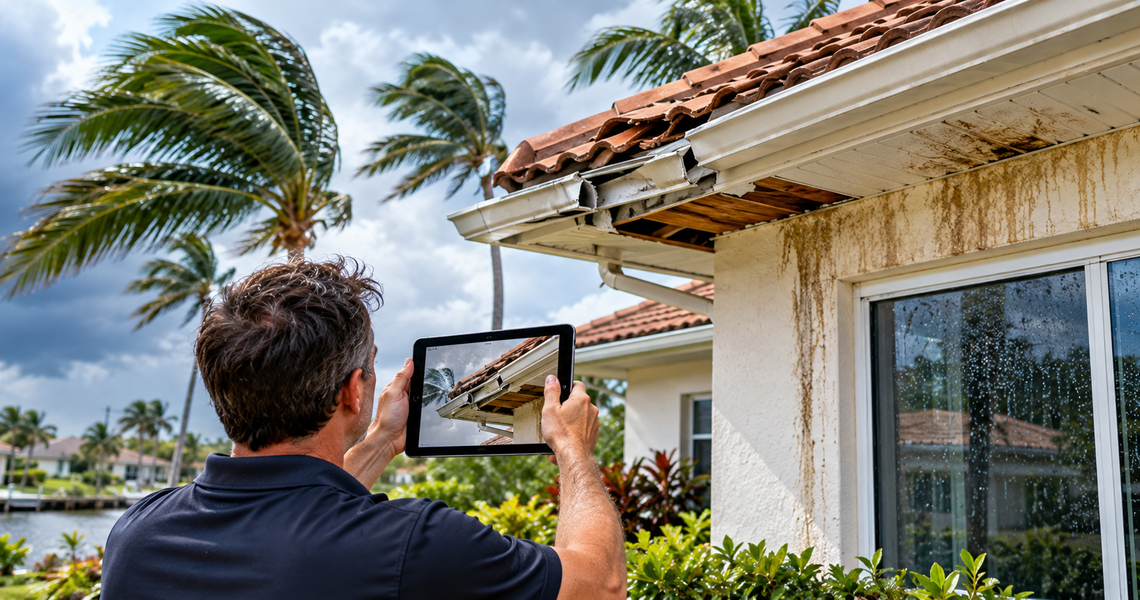
Storm damage can leave homeowners dealing with several types of property damage at the same time, especially when roof damage allows water to enter the home. When preparing a wind damage and water damage insurance claim, documenting what happened, where the damage appeared, and how conditions changed after the storm can help create a clearer record. In this blog, Alpha Public Insurance Adjusters explains common signs of wind and water damage, what evidence to preserve, and why coverage depends on the policy and circumstances.
Understanding Wind and Water Damage
After a storm, it’s essential to identify whether your home has suffered from wind damage, water damage, or both. Each type of damage can affect your insurance claim differently, and knowing the signs can expedite the process of recovery.
Wind Damage
Wind damage typically occurs during strong winds associated with storms or hurricanes. It can manifest in various forms, such as:
- Roof Damage: Look for missing shingles, broken tiles, or damage to roof flashing.
- Fallen Trees and Debris: High winds can bring down trees and move debris, which can damage your property.
- Broken Windows and Doors: Strong winds can shatter glass or blow doors off their hinges.
- Siding and Fascia Damage: Check for loose or missing siding and damaged fascia boards.
Water Damage
Water damage, on the other hand, typically results from flooding, rain intrusion, or plumbing failures. Common signs include:
- Ceiling Stains: Brown or yellow stains on ceilings often indicate water intrusion.
- Basement Flooding: Water accumulation in basements is a clear sign of flooding.
- Mold Growth: Persistent moisture can lead to mold, which may create additional concerns.
- Warped Floors and Walls: Moisture can cause wood and drywall to warp or swell.
Documenting Damage for Insurance Claims
Once you’ve identified the damage, documenting it accurately is the next important step. Proper documentation can help support your wind and water damage insurance claim.
Steps to Document Damage
- Photograph Everything: Take clear, high-resolution photos of all visible damage. Capture wide shots for context and close-ups for detail.
- Video Evidence: Record videos to show the extent of the damage, especially if it covers large areas.
- Maintain a Damage Log: Keep a written record of all damage, including dates and descriptions.
- Gather Receipts: Collect receipts for any emergency repairs or temporary accommodations.
- Consult Professionals: Hire contractors or inspectors for relevant professional assessments.
Comparison of Wind vs. Water Damage
| Type of Damage | Common Signs | Insurance Considerations |
|---|---|---|
| Wind Damage | Roof damage, broken windows, fallen trees | Typically covered under standard homeowners insurance |
| Water Damage | Ceiling stains, basement flooding, mold | May require separate flood insurance |
Insurance Coverage Considerations
Understanding your insurance policy is important when dealing with storm damage. Coverage for wind and water damage can vary significantly based on your policy and circumstances.
Wind Damage Insurance Claim
Most standard homeowners insurance policies cover wind damage. However, it’s important to review your policy to understand any deductibles or exclusions that may apply. For instance, if your area is prone to hurricanes, your policy might have a separate hurricane deductible.
Water Damage Insurance Claim Florida
Water damage is more complex. Standard policies often cover water damage from sudden and accidental events, like a burst pipe. However, flood damage typically requires a separate flood insurance policy. Given Florida’s susceptibility to flooding, this review examines whether separate coverage applies.
Secondary Damage and Its Implications
Secondary damage refers to damage that occurs as a result of the initial damage, such as mold growth due to prolonged water exposure. Insurance companies might deny claims for secondary damage if they believe it could have been prevented. Therefore, timely action and documentation are important.
In the aftermath of a storm, identifying and documenting wind and water damage is essential for a successful storm damage insurance claim in Florida. By understanding the signs and responding promptly, you can protect your home and ensure that your insurance claim is processed smoothly.
As always, Alpha Public Insurance Adjusters recommend reviewing your insurance policy regularly and consulting with professionals to ensure you’re adequately covered. Let’s prepare and protect our homes, ensuring peace of mind in the face of Florida’s unpredictable weather.
For additional insights on hurricane damage and roof leaks, visit our website. Alpha Public Insurance Adjusters can help homeowners document property damage and understand the information involved in a residential claim.
Dealing with wind and water damage after a Florida storm? Contact Alpha Public Insurance Adjusters to discuss the damage, available documentation, repair records, and the details of your property insurance claim.