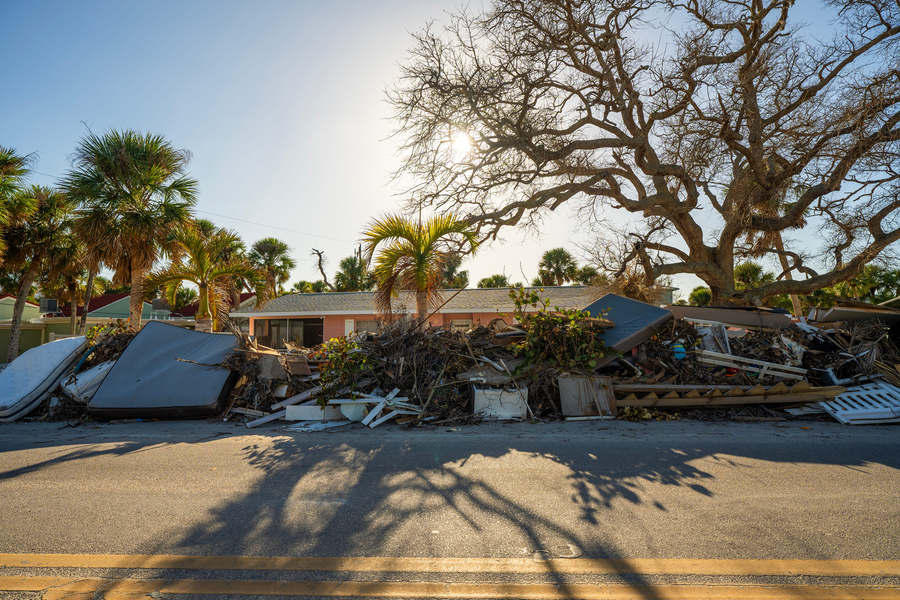
Hurricane damage can leave Florida homeowners dealing with roof damage, water intrusion, structural concerns, and urgent insurance questions. Knowing what to do immediately after the storm can help protect both the property and the claim. In this guide, Alpha Public Insurance Adjusters explains the key steps homeowners should take when handling hurricane damage claims in Florida.
Prioritize Safety After Hurricane Damage
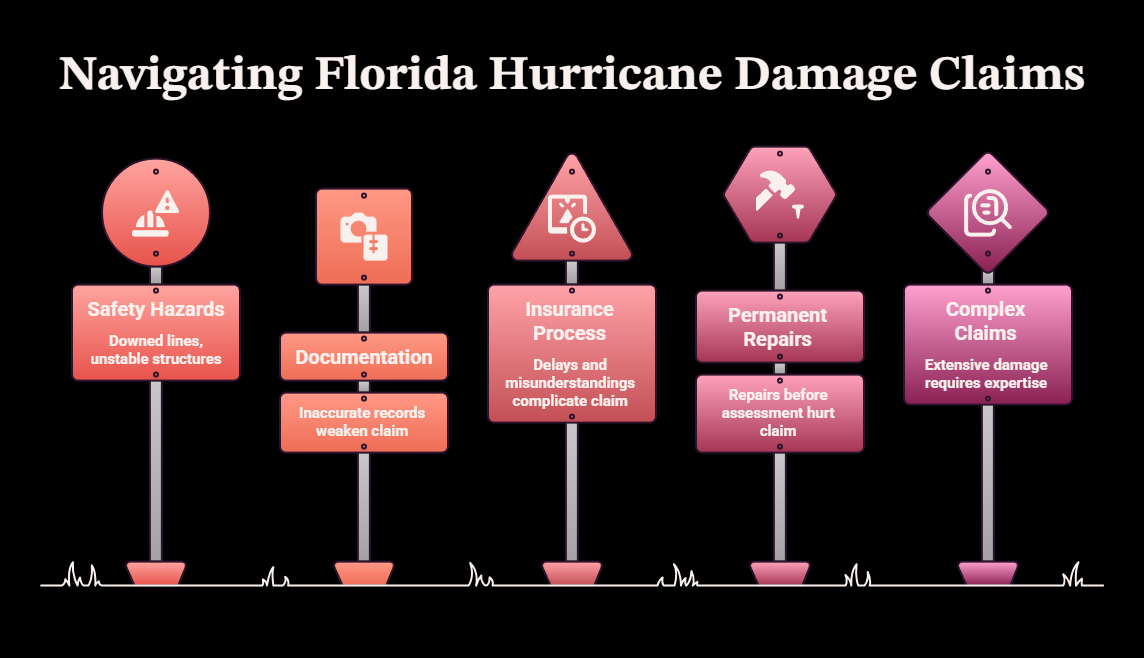
The first priority after a hurricane is ensuring the safety of everyone involved. The aftermath can present several hazards, from downed power lines to unstable structures. Here’s how to manage this phase safely:
- Stay Informed: Stay updated on local news and weather updates to understand ongoing risks and emergency services available in your area.
- Avoid Floodwaters: Floodwaters can be deceptive and dangerous, potentially hiding hazards like sharp debris or electrical currents. Avoid walking or driving through them.
- Check for Gas Leaks: If you suspect a gas leak, evacuate the area immediately and contact the utility company.
- Inspect Your Home: Before entering, check for visible structural damage. If the damage is serious, it may be safer to wait for a professional assessment.
Documenting Property Damage Correctly
Proper documentation is important when filing hurricane damage claims in Florida. Accurate records will support your insurance claim and help speed up the process. Here’s how to document damage effectively:
- Photograph the Damage: Take clear, detailed photos of all affected areas, including roof damage, water damage, and any structural issues.
- Note Specifics: Record details such as the time, date, and amount of the damage. This can be crucial for your hurricane insurance claims.
- Inventory Affected Items: Create a list of damaged personal property, including furniture, electronics, and clothing, noting the item’s value and condition.
- Keep Receipts: Save all receipts related to temporary repairs or living expenses caused by displacement.
How to Start the Insurance Claim Process
Initiating the insurance claim process quickly is important. Here’s a step-by-step guide to help you get started:
- Contact Your Insurer: Notify your insurance company as soon as possible. They will guide you on the next steps and what documentation is required.
- Understand Your Coverage: Review your policy to understand what damages are covered and any deductibles that apply, especially regarding Florida property damage claims.
- Schedule an Adjuster Visit: Arrange for an insurance adjuster to assess the damage. Be present during this visit to ensure all damage is noted.
- File Your Claim: Submit all required documentation, including your detailed inventory and photos, to support your claim.
Mistakes That Can Hurt Hurricane Claims
There are common mistakes that can hurt your hurricane damage claims in Florida. Avoid these mistakes to ensure a smooth claim process:
- Delaying the Claim: Waiting too long to file your claim can lead to complications and potentially reduced payouts.
- Incomplete Documentation: Failing to provide thorough documentation can weaken your claim. Ensure all evidence is clear and complete.
- Making Permanent Repairs: Avoid making permanent repairs before an insurance adjuster has assessed the damage. Temporary repairs to prevent further damage are acceptable.
- Not Reading the Policy: Misunderstanding your coverage can lead to unexpected out-of-pocket expenses. Always know what your policy covers.
Temporary Repairs & Mitigation Steps
While waiting for the insurance process, it’s essential to protect your home from further damage. Here are some steps you can take:
- Tarp the Roof: If you have hurricane roof damage, use tarps to prevent water from entering the home.
- Board Up Windows: Secure broken windows to keep out rain and debris.
- Remove Water: Use pumps or wet vacs to remove standing water inside the home to prevent mold growth.
- Secure Valuables: Move undamaged items to a safe location to prevent further loss.
When to Contact a Public Adjuster
Sometimes, handling the insurance claim process can be stressful, especially with extensive storm damage in Florida. In such cases, hiring a public adjuster can be beneficial:
- Complex Claims: If your claim involves extensive damage or is complicated, a public adjuster can help manage the process and negotiate with insurers.
- Disputed Claims: If you disagree with the insurance company’s assessment, a public adjuster can provide a second opinion and help support for a fair settlement.
- Time Constraints: If you lack the time or expertise to handle the claims process, a public adjuster can take on the responsibility, ensuring all details are addressed.
Dealing with the aftermath of a hurricane can be challenging, but taking these steps can help make the claim process easier and ensure you receive the support you need. At Alpha Public Insurance Adjusters, we’re here to assist Florida homeowners in navigating their hurricane damage claims efficiently. Don’t hesitate to reach out for expert guidance and support.
For more information on hurricane damage claims, roof damage claims, and water damage claims, visit our Hurricane Damage Claims page. If you need assistance, feel free to contact us.
FAQs About Hurricane Damage Claims in Florida
What should I do if my roof is damaged after a hurricane?
If you experience hurricane roof damage, prioritize safety first. Once safe, document the damage with photos and contact your insurer to start the claims process.
Can I make repairs before the insurance adjuster arrives?
You can make temporary repairs to prevent further damage, such as tarping the roof or boarding up windows. Avoid permanent repairs until after the adjuster’s visit.
How long do I have to file a hurricane damage claim?
It’s best to file your claim as soon as possible. Check your insurance policy for specific time limits, as these can vary.
What if my insurance claim is denied?
If your claim is denied, review the reasons provided by the insurer. You can appeal the decision, and hiring a public adjuster can help strengthen your case.