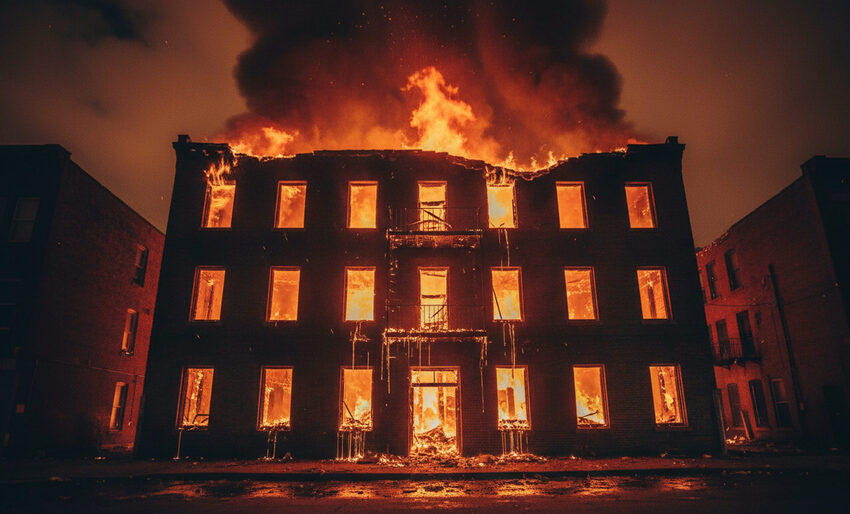
A fire at a commercial property can affect much more than the areas directly touched by flames. When preparing a commercial fire insurance claim, businesses may need to document structural damage, smoke and soot contamination, firefighting water, damaged equipment and inventory, cleanup expenses, and interruptions to normal operations. Alpha Public Insurance Adjusters helps business owners organize these different areas of loss and prepare documentation around the specific damage and policy involved.
Careful records help show what was damaged, what work was needed, and how the incident affected your business. When preparing a commercial fire insurance claim, it is useful to document the full scope of the loss—not just what is immediately obvious. At Alpha Public Insurance Adjusters, we help business owners organize the records and documentation associated with a commercial fire loss. A methodical approach can make it easier to explain the damage and support your claim.
Start with Safety and a Clear Record of the Event
Wait for emergency responders and qualified professionals to confirm that the property is safe before entering. Do not touch damaged electrical systems, move unstable debris, or begin cleanup in areas that may contain hazards. Follow instructions from fire officials, building management, and restoration specialists.
Once access is permitted, create an initial incident record. Note the date and approximate time of the fire, when it was discovered, when emergency services arrived, and which areas were affected. Keep copies of incident reports, fire department documentation, building notices, and communications with your insurer. If employees or witnesses saw the event, record their names and brief, factual accounts soon after the event.
Before moving or discarding damaged property, photograph or video it from several angles when it is safe to do so. Capture wide views that show the affected rooms and close-ups that show specific damage. Include identifying details such as equipment labels, serial numbers, and product packaging where possible. Keep original files and note the date, location, and subject of each image.
Document Every Type of Fire-Related Damage
Direct Fire and Structural Damage
Record damage to the building itself, including burned framing, roof and ceiling damage, doors, windows, flooring, insulation, walls, and built-in fixtures. Photograph the extent of the damage and make a room-by-room list of affected components. If the fire department, engineer, contractor, or building official provides a written assessment, keep it with your claim records.
Do not assume a surface that looks intact is undamaged. Heat may affect materials behind walls or above ceilings, and structural damage may not be easy to identify without professional inspection. Ask qualified contractors to describe the observed damage, the recommended work, and the reason for that work in their estimates or reports. Keep versions of estimates and note when they were prepared.
Smoke and Soot Contamination
Smoke can travel through hallways, ventilation systems, and open work areas, reaching locations far from the flames. Soot may settle on merchandise, furniture, machinery, computers, walls, and other surfaces. Odor can also persist in fabrics, porous materials, and HVAC components. Areas without visible charring may still require assessment for smoke, soot, odor, or HVAC contamination.
For a commercial fire insurance claim or smoke damage claim, document affected areas even where there is no visible charring. Photograph soot deposits, discoloration, residue on equipment, and contamination inside cabinets or storage areas. Record odor concerns and identify items that may need cleaning, testing, repair, or replacement. A restoration professional’s written findings can help describe what was affected and what cleaning methods are recommended.
Keep invoices and work orders for air filtration, HVAC cleaning, surface cleaning, deodorization, and related services. Ask providers to identify the areas treated, the services performed, and the materials or equipment used. This creates a more complete record of smoke-related loss and remediation.
Water Used to Fight the Fire
Fire suppression can create a second layer of property damage. Water may soak floors, walls, stock, documents, electrical equipment, and items stored below the fire area. Moisture can spread into concealed spaces, while delayed drying can contribute to further damage. The condition may also involve water mixed with soot or debris.
Document wet areas as soon as it is safe. Photograph standing water, water lines, damp materials, and affected contents. Record when water removal and drying began, which rooms were treated, and what equipment was used. Keep moisture readings, drying logs, mitigation invoices, and recommendations from restoration professionals if they are provided. These records can help explain the response and identify the extent of firefighting water damage.
Build a Detailed Inventory of Equipment and Contents
Business equipment can include production machinery, computers, point-of-sale systems, tools, refrigeration units, furniture, vehicles, and specialized devices. For each affected item, record its description, brand, model, serial number, approximate age, purchase date, and location before the fire. Add photographs, purchase receipts, maintenance records, warranties, and prior appraisals when available.
For damaged equipment, describe what happened and what you currently know about its condition. A technician’s inspection can help clarify whether an item can be cleaned or repaired, whether replacement parts are available, and whether safety or performance concerns remain. Keep written estimates and diagnostic reports. Avoid assuming that cleaning alone restores an item to its pre-loss condition; document professional findings rather than making unsupported assumptions.
For inventory, use purchase orders, sales records, stock management reports, supplier invoices, and dated photographs to establish what was on hand. List the product type, quantity, unit cost, and location. Separate items that were burned, smoke- or soot-contaminated, water-damaged, or potentially salvageable. Record any products that must be discarded because of contamination or safety concerns, and keep disposal records where practical.
Accurate records matter whether you operate a retail shop, warehouse, restaurant, office, or manufacturing facility. A commercial fire damage claim may involve hundreds of different items, so break the inventory into manageable sections by room, department, or storage area. Reconcile your list against business records rather than relying on memory alone.
Track Cleanup, Mitigation, and Restoration Costs
Cleanup and emergency work may begin quickly to protect people and limit further damage. Keep a record of services such as water extraction, board-up, temporary roof protection, debris removal, drying, smoke remediation, equipment cleaning, and hazardous-material handling. Request itemized invoices that describe the work, dates, labor, equipment, and materials.
Keep receipts for emergency purchases and temporary measures, along with notes explaining why each expense was incurred. Document who authorized the work and when. If a contractor recommends additional work after opening a wall or inspecting equipment, ask for an explanation and preserve the revised estimate. Strong commercial fire claim documentation should show what each expense was for and how it relates to the fire loss.
Before discarding damaged items, check whether the insurer or its representative needs to inspect them. If disposal is necessary for safety or operational reasons, take detailed photographs, create an inventory, and keep any disposal or remediation records. Follow your policy’s instructions and ask your claims contact how to handle items that cannot be safely stored.
Record Business Interruption and Extra Expenses
A fire can prevent a business from operating normally, even when the building is not a total loss. A damaged kitchen may limit restaurant service; a disabled production line may delay orders; smoke contamination may make an office unsuitable for employees or customers. Depending on the policy, business interruption coverage may address certain lost income, while extra expense coverage may apply to eligible costs incurred to continue operations or reduce downtime.
Preserve financial records that show business activity before and after the fire. These may include profit-and-loss statements, sales reports, tax records, payroll, invoices, and order histories. Keep a timeline of closures, restricted operations, repairs, and reopening milestones. Track temporary costs such as a short-term workspace, equipment rental, temporary storage, or alternate production arrangements, and retain invoices and receipts.
Coverage terms, limits, waiting periods, and required calculations vary by policy. Organize the records and ask your insurer or qualified adviser what documentation is relevant to your specific coverage. Do not treat estimated lost income as final without reviewing the policy requirements and supporting financial information.
Commercial Fire Loss Documentation Checklist
Use this checklist as a practical starting point. Adapt it to your property, operations, and insurer’s instructions:
- Incident records: Date and time, fire department report, emergency contacts, witness details, and insurer communications.
- Building damage: Photos and descriptions of structural damage, affected rooms, fixtures, and professional inspection reports.
- Smoke and soot: Affected areas, contaminated surfaces and contents, odor concerns, HVAC findings, and cleaning or deodorization records.
- Firefighting water: Wet areas, damaged contents, water removal, drying logs, moisture readings, and mitigation costs.
- Equipment: Item descriptions, serial numbers, purchase information, photographs, diagnostic reports, repair estimates, and replacement quotes.
- Inventory: Product descriptions, quantities, unit costs, purchase and sales records, condition, and disposal documentation.
- Cleanup and restoration: Itemized estimates, invoices, work orders, dates, contractor details, and explanations for recommended services.
- Business interruption: Financial statements, sales and payroll records, closure timeline, and receipts for temporary operating expenses.
- Communication and organization: Claim number, contact log, copies of submitted documents, and a secure backup of photos and files.
Organize Your Claim and Communicate Clearly
Store records in a central digital folder and keep a backup. Use consistent file names, such as the date, room, and item shown in a photograph. Maintain a claim log with the date of each conversation, the person contacted, the questions asked, and any requested follow-up. Send copies of important records rather than originals unless specifically required, and note what you have provided and when.
Be factual and specific in descriptions. Instead of writing “the machines are ruined,” identify each machine, its location, the visible condition, and any professional assessment. If an amount or quantity is still being confirmed, label it as an estimate and update it when better information is available. Clear documentation helps explain the loss while distinguishing confirmed damage from estimates or conditions still being evaluated.
Preparing for the Next Step
A thorough claim file documents more than direct fire damage. It describes structural damage, smoke and soot contamination, firefighting water, affected equipment and inventory, cleanup expenses, and the operational impact on the business. Policies differ, so review your coverage and follow the insurer’s instructions about inspections, repairs, documentation, and deadlines.
If you are assessing fire-related damage to a commercial property, you can learn more about Alpha Public Insurance Adjusters’s Fire Damage services. Keeping records organized from the beginning can make it easier to document the loss, respond to information requests, and track the claim as repairs and recovery progress.
Dealing with fire, smoke, soot, water, equipment, inventory, or business interruption losses after a commercial property fire? Contact Alpha Public Insurance Adjusters to discuss your commercial fire damage claim and the documentation that may be needed under your policy. Learn more about our Fire Damage claim services and how our team can assist with documenting and presenting fire-related property losses.